
by Dr Alastair Gordon
This talk, by Dr Matthew Dziennik, was given to our members and friends on Zoom this September. It was a joint event with our friends the Society of Highland & Island Historical Research. The speaker is an Associate Professor of History at the United States Naval Academy in Annapolis, Maryland. This was our first live Zoom talk where the speaker was talking from another continent!
It was a pleasure to hear an expert illuminate a topic on which many of us feel we are reasonably well informed. The events following the failure of the 1745 rebellion were discussed by a knowledgeable speaker who gave fresh insights on highland history of the late 18th century and beyond.
A history which has been considered in recent decades to be a simple story of autocratic, ruthless suppression of a rebellious region, by a dominant victorious parliament in the south, was shown to be more complex and faceted. Dr Dziennik is an expert on these times and the story he told of the period highlighted paradoxes and differences of experience of those in different soci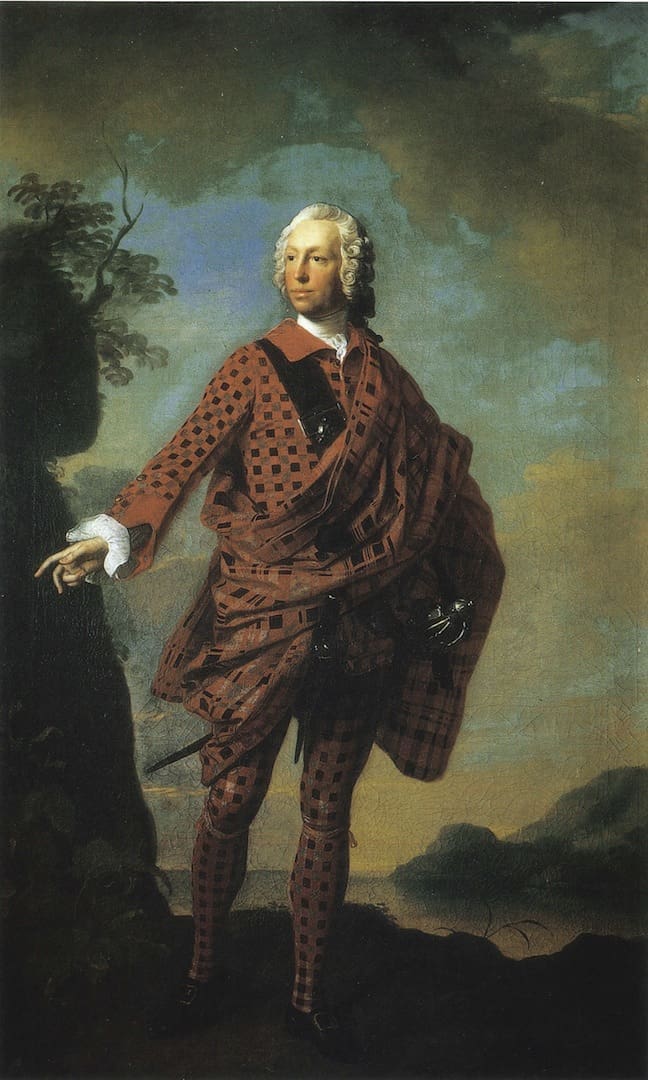 al strata in the Highlands. The ability of the British Parliament to enforce suppression was shown to be much more constrained than is generally thought. The enactment and enforcement of punitive legislation was limited by the need to foster future allegiance, maintain the Highland economy, and not foment further rebellion. Vested interests influenced the actions of the British Parliament substantially. Much of the legislation was tempered by the political weakness and pragmatism of government.
By quoting from prominent contemporary lawmakers and from an intimate knowledge of the details of the prosecutions made under the new laws, Dr Dziennik showed surprising examples of the will of the British Parliament being modified by the practicalities and needs of managing lasting change in a distant part of the island. The laws enacted were discussed by an authoritative academic on his own ground. Often the issue of enforcement of these new laws blunted a great deal of the effect which had been intended. The system of administrating the law in the Highlands was discussed in detail before and after the rebellion. In many cases there was surprisingly little change. As is so often the case, the old systems survive through and apparent revolution predominantly intact. The new laws post Culloden were turned by the clan chiefs to their advantage. Although many enforcing the new laws in the Highlands argued that the Highlander was in servitude to his chief – little more than a slave – those who enforced these changes moderated their effect very substantially.
This authoritative and contemporary account of the strains and limitations put on a government managing the highlands from the far south has much resonance today. It informs an appreciation of current positions within the Union today. There was mention, in detail, of tartan and the Disarming Act 1746 too – in a wide-ranging tour de force. I learned much and I feel I am now much more fully informed.
The Zoom event was recorded and is still available to view. I recommend you take the time to view if you are at all interested – I am sure you will enjoy it and learn a great deal.